
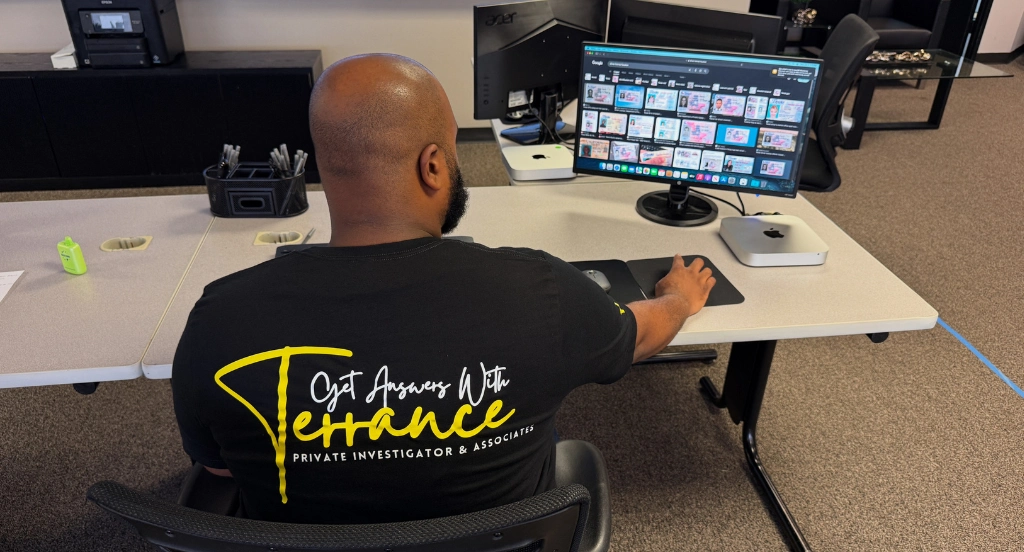
When people picture private investigations, they picture the field work: the surveillance, the stakeouts, the camera in the passenger seat. But a huge share of what solves cases happens at a desk, and that is where the investigative analyst comes in. At Terrance Private Investigator & Associates, our analysts do the research, verification, and documentation work that gives field investigators and clients something solid to stand on.
After 17+ years serving clients nationwide, we have learned that the strongest cases are usually the best researched ones. If you are detail obsessed, comfortable with records and data, and you would rather find the answer than guess at it, the investigative analyst role may be a better fit for you than the field work most people imagine. Here is what the job actually involves.
What an Investigative Analyst Does Day to Day
The role centers on gathering, verifying, and organizing information so that investigators and clients can act on facts rather than assumptions. In our experience, a typical week for an investigative analyst includes work like:
- Researching public records, court filings, and property and business records
- Verifying identities, addresses, employment, and business affiliations
- Conducting open source intelligence and online research
- Building timelines and connecting related people, entities, and events
- Supporting background checks, asset searches, and skip tracing
- Preparing clear, well sourced written summaries and case reports
- Flagging inconsistencies and gaps that need field follow up
The common thread is accuracy. An analyst’s work often becomes the foundation of a report an attorney, insurer, or court will rely on, so getting it right matters more than getting it fast.
The Skills That Make a Strong Investigative Analyst
This is a role where temperament matters as much as technique. The analysts who do well on our team tend to share a few traits:
- Genuine patience for detailed research and cross checking
- Strong writing skills, because findings have to be understandable to non investigators
- Comfort with databases, spreadsheets, and case management software
- Sound judgment about what is relevant and what is noise
- Discretion and a serious respect for confidentiality
- Persistence, since the useful record is rarely the first one you find
In our experience, curiosity is the trait that separates a good analyst from a great one. The best ones keep pulling the thread when an easy answer would have been enough.
Analyst Work Is Governed by Real Legal Rules
This part of the job deserves emphasis. Investigative research is regulated, and an investigative analyst has to know the boundaries. Access to certain records and databases is limited to licensed professionals with a legitimate, permissible purpose, and rules like the federal Fair Credit Reporting Act and the Driver’s Privacy Protection Act govern how specific categories of information can be obtained and used. We train our analysts on these obligations because compliance is not a formality here, it is what keeps our work usable and our clients protected. Findings gathered improperly are worse than no findings at all.
Where the Investigative Analyst Role Fits on a Case
Analysts and field investigators work as a pair, not in isolation. Research often shapes where a field investigator goes and what they look for, and field observations often send the analyst back to the records for confirmation. On background checks, asset searches, and criminal defense support, the analyst work may carry most of the case. On surveillance heavy matters, the analyst sets the table before anyone leaves the office. Either way, the analyst is rarely working alone.
Is the Investigative Analyst Path Right for You?
If the appeal of this field is the puzzle rather than the pursuit, this role may suit you better than traditional field work. Analysts get the satisfaction of finding the thing nobody else found, without the unpredictable hours that surveillance can demand. Many of our analysts came from research, legal support, insurance, records, or data backgrounds, and some moved into analysis after field work. Others use it as a starting point and later expand into broader investigative career paths once they understand how cases are built.
We Help Analysts Grow
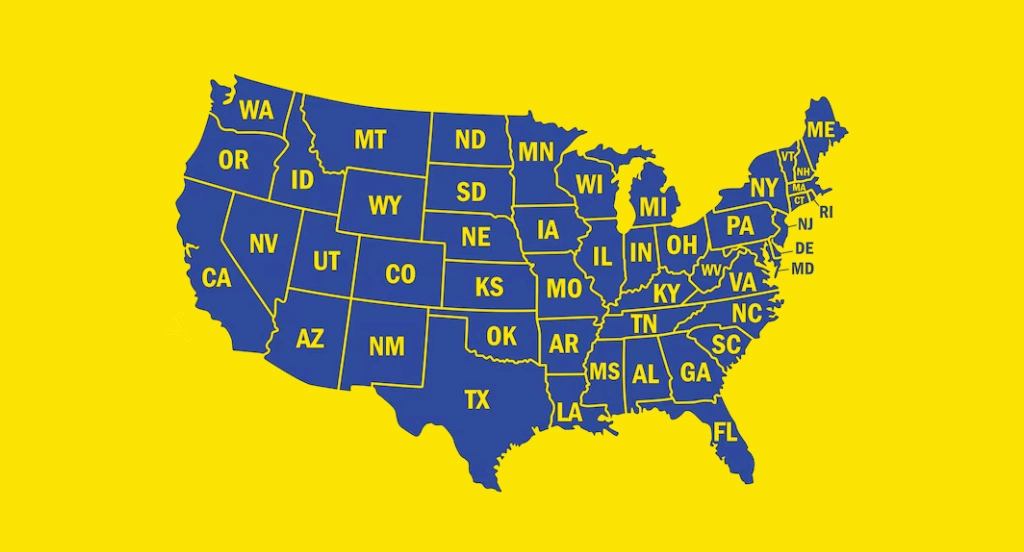
We do not expect anyone to arrive knowing every database and every rule. We believe strong analysts are built through experience, mentorship, and ongoing private investigator training that covers both the tools and the legal obligations that come with them. As our firm continues to grow across Texas and nationwide, so do the opportunities for our analysts to specialize, take on more complex research, and build careers they are proud of.
Ready to Grow With Us?
If careful research, clean documentation, and finding the answer nobody else could find sounds like your kind of work, we would love to hear from you. At Terrance Private Investigator & Associates, the investigative analyst role is a real career, not a support job.
Explore our current openings and see what it is like to build a career here.
Helpful Links
- Career Paths in Private Investigations
- Private Investigator Training
- Background Checks
- Texas Association of Licensed Investigators (TALI)
Frequently Asked Questions
What does an investigative analyst do?
An investigative analyst researches, verifies, and organizes information that supports active cases. That includes public records and court research, identity and employment verification, open source intelligence, timeline building, and writing clear reports that investigators, attorneys, and clients can rely on.
How is an investigative analyst different from a field investigator?
Field investigators gather information through observation and direct contact, such as surveillance and interviews. Analysts gather it through records, databases, and research. The two roles work together closely, and on many cases the analyst’s findings determine where the field investigator focuses.
Do I need a private investigator license to work as an analyst?
Requirements vary by state and by the type of work involved. We will walk you through what applies to your situation and help you meet any licensing obligations. Learning the rules is part of the role, and part of the training we provide.
What background do investigative analysts usually come from?
There is no single path. Many come from research, paralegal or legal support, insurance, records management, or data oriented roles, and some transition from field investigation. Strong research instincts, clear writing, and discretion matter more than any specific job title.
Is investigative analyst work full time or independent contractor?
Our investigators and analysts work as independent contractors, which offers flexibility while still connecting you to a team, real cases, and ongoing support. We will be upfront about how it works so you can decide whether it is the right fit.
How do I start as an investigative analyst with Terrance Private Investigator & Associates?
Just reach out. Tell us about your background and what draws you to this work, and we will take it from there. You can view our current openings or contact us using the details below.
Contact Us
Contact Terrance Private Investigator & Associates
At Terrance Private Investigator & Associates, we do not just hire investigators and analysts, we help build them. If you are drawn to this work, we would love to hear from you. Maybe you already have research or investigative experience and you are looking for a firm that actually invests in your growth, or maybe you are earlier in your journey and eager to learn the craft from experienced professionals working real cases. Either way, ongoing training, hands on mentorship, and the chance to specialize are all part of building a career here, not just landing a job.
You deserve a team that takes your development as seriously as you do, and that is exactly what you will find here. Reach out today, tell us where you are in your career, and let’s talk about what growing with us could look like. We will take it from there.
Email: getanswers@piterrance.com Website: piterrance.com Call or Text: (833) 495 0003