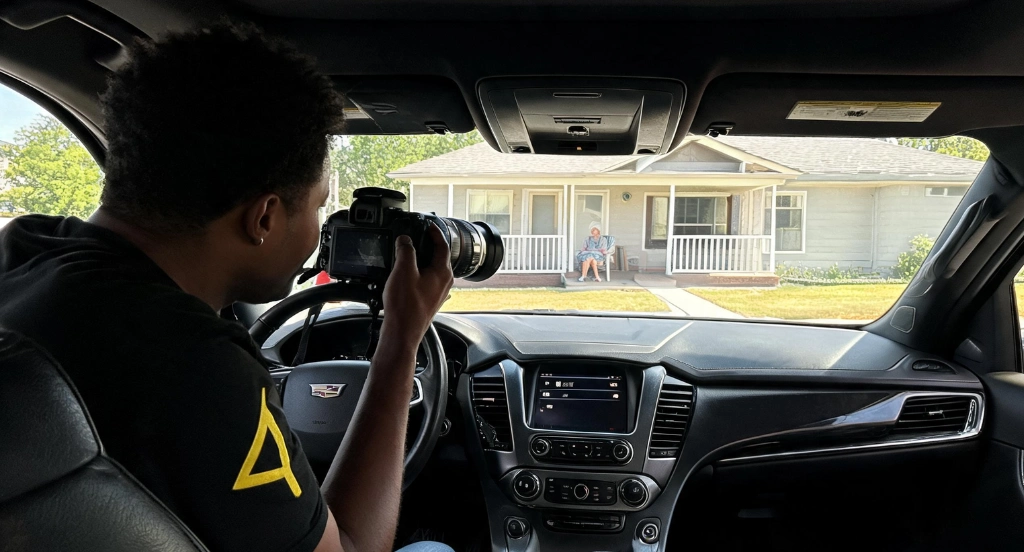


The key difference between suspicion and evidence is documentation, and that distinction is what separates operating from fear from operating from facts.
Why Instinct Matters, But Evidence Matters More
As investigators, here’s what we want you to understand: your instincts matter. If you sense something is wrong, there’s probably a reason. Humans are naturally attuned to behavioral inconsistency in people we know well. When your partner’s behavior doesn’t match their normal patterns, that mismatch registers, even if you can’t articulate exactly what changed.
That said, instinct and evidence are different things. Instinct tells you something needs investigation. Evidence tells you what actually happened. Both have value. Your instinct protects you by prompting attention. Evidence protects you by giving you factual ground.
The hardest part of infidelity suspicion is the waiting period between “something feels off” and “I have clarity.” During that waiting period, you’re in emotional limbo. Professional investigation compresses that waiting period. Instead of weeks of uncertainty, you have documentation in days.
The Right Time to Seek Professional Help
You don’t need certainty to seek help; you need enough reason to want clarity. These are the situations in which people most often reach out to us:
- You’ve noticed multiple behavioral changes over a sustained period. One change might be coincidence, but multiple changes over weeks typically warrant professional assessment.You want clarity to inform your next decision. Whether you plan to address the concern, separate, or something else, facts give you better ground than suspicion.You’re concerned about legal or financial implications. If infidelity might affect custody, asset division, or other legal matters, professional documentation can support your position.You need documented evidence rather than your own observations. Surveillance creates a factual record with timestamps, locations, and observations that stand up to scrutiny.You can’t maintain continuous observation safely. Following or monitoring someone yourself is exhausting and potentially risky.